

The Ultimate Beginner’s Guide to Ukiyo-e: Japanese Woodblock Prints Explained
Have you ever seen the famous picture of a giant blue wave crashing down on boats with Mount Fuji in the background? That image is called The Great Wave, and it is the most famous example of Ukiyo-e.
But what exactly is Ukiyo-e? Where did it come from, and why is it still so popular today?
If you are looking for a simple introduction to Japanese woodblock prints, you are in the right place. In this guide, we will explore the fascinating world of Edo-period art in plain English.

What is Ukiyo-e? (Definition)
Ukiyo-e is a genre of Japanese art that flourished from the 17th to the 19th century. The word Ukiyo-e translates to "pictures of the floating world." These artworks were usually produced as woodblock prints or paintings. They depicted the lifestyle of the urban population in Japan, focusing on beauty, nature, travel, and entertainment. You can find more at: https://www.metmuseum.org/toah/hd/ukiy/hd_ukiy.htm
Note: Unlike expensive paintings for the samurai class, Ukiyo-e prints were mass-produced. This made them affordable for regular people, like merchants and townspeople.
A Brief History of Ukiyo-e
To understand the art, we have to look at the history. Ukiyo-e became popular during the Edo Period (1603–1867).
During this time, Japan was peaceful and isolated from the rest of the world. The city of Edo (now Tokyo) grew very large. A new class of wealthy merchants emerged. These people wanted to enjoy life. They spent their money in the theater districts and pleasure quarters.
Artists began to capture this "floating world" of fleeting pleasure. This demand created the golden age of Japanese woodblock prints. You can find more about the history on: https://www.loc.gov/collections/japanese-fine-prints-pre-1915/about-this-collection/
What are the Main Themes of Ukiyo-e?
When you look at Ukiyo-e, you will mostly see three main subjects. These themes reflect what people in the Edo period found interesting or beautiful:
-
Bijin-ga (Beautiful Women): Portraits of famous courtesans and geishas wearing stunning kimonos.
-
Yakusha-e (Kabuki Actors): Posters of popular theater actors, similar to movie star posters today.
-
Landscapes and Nature: Famous views of Japan, birds, and flowers. This became very popular later in the 19th century.
How is a Japanese Woodblock Print Made?
One of the most surprising facts about Ukiyo-e is that it was not made by just one person. It was a team effort.
Creating a single print required four different experts:
-
The Artist: Drew the design on paper with ink.
-
The Carver: Glued the drawing onto a block of cherry wood and carved the design out.
-
The Printer: Applied ink to the woodblock and pressed the paper onto it to create the image.
-
The Publisher: Funded the project and sold the prints to the public.
Because they used woodblocks, they could make thousands of copies of the same image.

Famous Ukiyo-e Artists You Should Know
If you want to sound like an expert, you should know these three names. They are the masters of the genre.
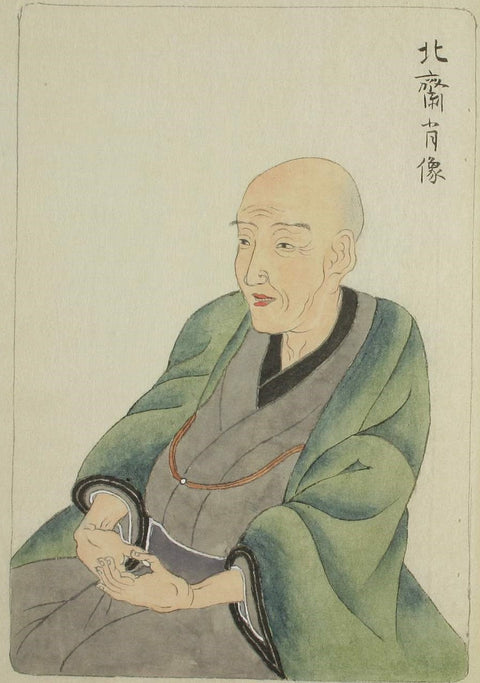
1. Katsushika Hokusai
Hokusai is the most famous Japanese artist in history. He is best known for his series Thirty-Six Views of Mount Fuji. This series includes the iconic image The Great Wave off Kanagawa. Hokusai was a master of composition and used the color "Prussian Blue" in a revolutionary way.
2. Utagawa Hiroshige
Hiroshige was a master of landscapes. His work was softer and more poetic than Hokusai's. He is famous for The Fifty-Three Stations of the Tōkaidō, which showed travel scenes across Japan.
3. Kitagawa Utamaro
Utamaro is known for his masterful portraits of beautiful women (bijin-ga). He focused on the faces and expressions of women, capturing their mood and personality perfectly.
Why is Ukiyo-e Important to Western Art?
Did you know that Vincent van Gogh was obsessed with Ukiyo-e?
When Japan opened its borders in the 1860s, these prints arrived in Europe. French artists like Monet, Degas, and Van Gogh were shocked. They loved the bold colors, the lack of shadows, and the unusual angles.
This trend was called Japonisme. Without Ukiyo-e, modern Western art (Impressionism) would have looked completely different.
Conclusion
Ukiyo-e is more than just old pictures. It is a window into the vibrant life of historic Japan. From the theaters of Edo to the slopes of Mount Fuji, these prints captured the spirit of the "floating world."
Whether you love the dynamic waves of Hokusai or the quiet landscapes of Hiroshige, there is a style of Ukiyo-e for everyone to enjoy. To find Ukiyo-e prints you can visit one of the biggest databases on Ukiyo-e: https://ukiyo-e.org/


Comments (0)
There are no comments for this article. Be the first one to leave a message!